
Nintendo's first-party games might be leaving some next-gen horsepower on the table, and players are starting to notice.
A recent community discussion has reignited a familiar debate: the Switch 2 supports DLSS, but Nintendo's own studios don't seem too eager to use it. One player pointed to Digital Foundry's technical breakdown of the Ocarina of Time Switch 2 remake footage, noting that the game doesn't appear to be using DLSS or any similar AI upscaling. That observation quickly turned into a broader question -- is Nintendo being too conservative with new tech?
According to Digital Foundry's earlier analysis, the gameplay shown in the Ocarina of Time remake demo targets around 1080p at 60fps, with some menus and UI elements hitting 1440p. The team didn't find obvious signs of DLSS reconstruction, and they flagged a few rough spots like shimmering foliage and oversharpening in certain scenes. In theory, a more advanced image reconstruction technique could smooth out some of those stability and detail issues.
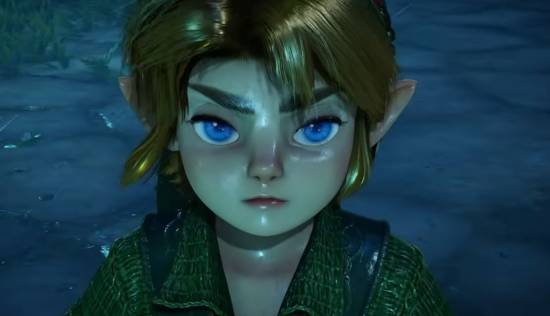
That said, it's worth keeping expectations in check. These conclusions come from publicly released demo footage, not a full test of the final retail version. We can't say for certain what rendering approach the finished game will use until it actually launches and gets properly benchmarked.
Still, looking at the Switch 2 first-party lineup so far, Nintendo does seem cautious about adopting DLSS and similar next-gen reconstruction tech. While some third-party titles are already using DLSS to balance resolution, image quality, and performance, several Nintendo first-party games still lean toward native rendering or more traditional image processing.
That gap is exactly what's fueling the discussion. Some players argue that if the Switch 2 has DLSS on tap and third parties are already showing what it can do, Nintendo could use those same hardware capabilities to push better visuals while still hitting targets like 60fps. Others see it as a deliberate trade-off rather than a missed opportunity.
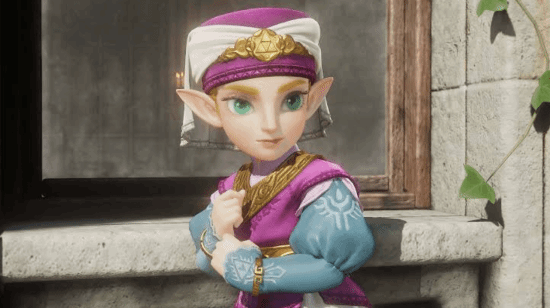
Of course, using DLSS or not using it doesn't automatically equal a higher or lower level of technical skill. A game's art style, GPU load, development budget, and a team's priorities around image stability can all shape the final technical approach. Sometimes the boring choice is the right one.
So where do you land on this? Is Nintendo playing it smart by sticking with what works, or are they just being stubborn about new tech? Let us know in the comments.
Comments (0)
Log in to join the discussion
Log InNo comments yet