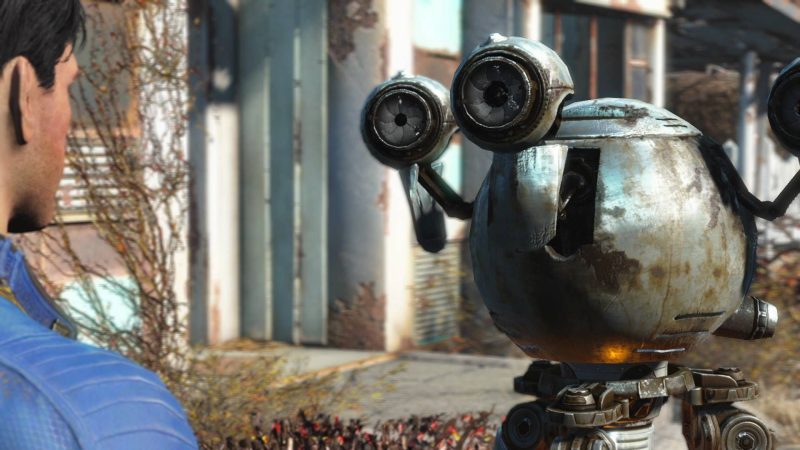
Ever wondered what Fallout would look like in the Big Apple? Well, one AI enthusiast gave it a shot — and Bethesda's parent company ZeniMax wasn't having it.
Earlier this week, a self-described "AI creative" unveiled Fallout: New York, a browser-based game built entirely with Claude Opus 5.5. The project packed 117 unique locations, 112 characters, 46 weapons, and zero audio files — every sound was generated by code. The announcement tweet quickly went viral, racking up 3.5 million views. Reactions were split: some called it "AI slop," while others saw it as a glimpse of a bold new future for game development.
But it turns out at least one of those 3.5 million viewers works for ZeniMax's legal department. The creator soon shared an apparent cease-and-desist notice on Twitter, confirming the project was dead. "Hey, [Bethesda], how about you make a Fallout game instead so I don't have to?" they wrote. "Sorry to everyone who enjoyed the game! But the suits got involved and the fun is over."
The creator had hoped Bethesda would look the other way. In a reply to someone who predicted the legal crackdown, they said: "It's all free and I make 0 money on it. I hope they don't ask me to take it down. I really love Fallout and this was just a fun tech demo. But I should add a quest where you have to serve someone papers, but they keep running away." Yeah, about that.
While few onlookers are surprised by the takedown, the situation highlights the ongoing tension between fan creativity and intellectual property law. Using AI to generate an entire game — from quests and dialogue trees to a working V.A.T.S. system and Pip-Boy — is an impressive technical feat, but it also raises questions about ownership and fair use.
For now, Fallout: New York is no more. The creator's frustration is palpable, and their parting shot at Bethesda is sure to resonate with fans who've been waiting for a new single-player Fallout. Whether this sparks a larger conversation about AI in game development remains to be seen.
What do you think? Should Bethesda have let this fan project slide, or were they right to protect their IP? Let us know in the comments.
Comments (0)
Log in to join the discussion
Log InNo comments yet