
Well, this is a twist nobody saw coming. Benchmarks for Silent Hill: Townfall have surfaced, and they're delivering some genuinely surprising news for anyone still rocking a graphics card from 2016 or 2017. At 1920x1080 with high presets, a bunch of old GPUs can still hold a basic playable experience — and VRAM turns out to be the make-or-break variable.
Here's the head-scratcher: the Radeon RX 580 with 8GB of VRAM averaged 28 fps with a 24 fps low. The GeForce GTX 1060 6GB, once the undisputed mainstream sweetheart, managed only 23 fps average and 20 fps low. That's a gap of roughly 21.7% in favor of the older-feeling AMD card. Even weirder? The lower-spec RX 570 8GB, riding its VRAM advantage, edged past the GTX 1060 with a 24 fps average.
And it doesn't stop there. The RX 580 also nudged ahead of the more modern RX 5500 XT 8GB, while the RX 590 8GB matched the higher-tier GTX 1070 8GB at 31 fps average. If you bought a Polaris card back in the day and felt a little silly about the extra VRAM, congratulations — you're having the last laugh a decade later.

According to analysis from GameGPU, the core issue is memory capacity. The GTX 1060's 6GB buffer hits its ceiling hard in high-quality scenes, creating a bottleneck. The RX 580's 8GB, meanwhile, offers more breathing room. What was once dismissed as "performance overhead" on the Polaris architecture has become the very thing keeping these cards alive in a brand-new release.
The optimization work on Silent Hill: Townfall deserves real credit here. Per GameGPU's detailed report, developers No Code and Annapurna Interactive made broad hardware compatibility a goal from day one. They rewrote key logic subsystems to reduce CPU load, redesigned the rendering system, cut down draw calls, and optimized volumetric fog and lighting. The result: GPUs that would normally refuse to even boot a modern AAA title can still deliver playable frame rates at 1080p.
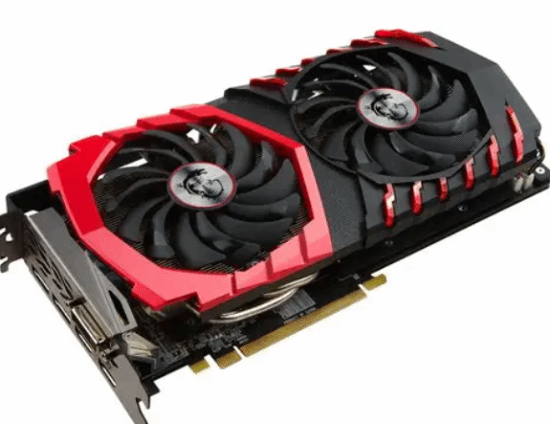
That said, let's keep it real — 28 fps is still teetering on slideshow territory. If you want a smoother ride, you'll need to drop settings or upgrade your hardware. But the point of these old cards isn't that they're suddenly great. It's that smart, deliberate optimization can extend the life of aging hardware instead of tossing it on the scrap heap immediately.
So, what's your take? Are you still gaming on a trusty old GPU, or have you already made the jump to something newer? Let us know in the comments.
Comments (0)
Log in to join the discussion
Log InNo comments yet