Sony really wanted to own Kojima Productions. Like, really wanted to. But Hideo Kojima just kept saying no, and now we know why PHYSINT suddenly jumped ship to Xbox.
According to games industry analyst William R. Aguilar, Sony and PlayStation made multiple attempts to acquire Kojima Productions over the years. Every single time, Kojima turned them down. The most recent offer came not long ago, and once again, Kojima declined. That final rejection was apparently the breaking point.
So why did Sony walk away from PHYSINT? It comes down to one word: exclusivity. Sony was only willing to keep funding the game if it stayed fully exclusive to PlayStation. But the deal on the table would have made PHYSINT a timed exclusive instead, meaning it could eventually launch on other platforms. From a pure cost and risk perspective, Sony decided that just wasn't worth it.
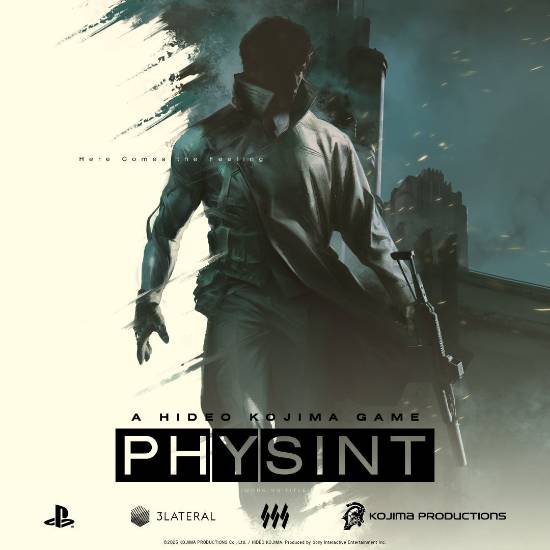
Here's the interesting part, though. Aguilar claims Sony was actually okay with losing money on PHYSINT. As a spiritual successor to Metal Gear Solid, the game could boost PlayStation's brand value, market influence, and industry standing. Sony was willing to eat some losses for that kind of prestige. But only if the game remained permanently exclusive to PlayStation. A timed exclusive doesn't deliver that same long-term console value, so the math changes completely.
Aguilar also explained why Kojima himself matters more to Sony than PHYSINT does. Without Kojima, he argues, having a spy action game like PHYSINT means almost nothing. The IP only has value because Kojima is attached to it. To prove his point, Aguilar pointed to Syphon Filter, a stealth spy action series Sony already owns that has nothing to do with Kojima. It was made by Bend Studio, the team behind Days Gone, and the franchise hasn't seen a new entry in over a decade. Bend Studio, by the way, was recently hit with layoffs by Sony over its struggling live-service project.
According to Aguilar, Sony met with Kojima again earlier this year. The conversation covered another acquisition offer, a progress check on the game's development, and how much budget Kojima wanted PlayStation to provide. A few months later, Sony sent word to Kojima Productions: PHYSINT was being cancelled.
If PHYSINT couldn't stay permanently exclusive to PlayStation, Aguilar says there was no point in Sony holding onto the IP. When a game is permanently exclusive, Sony is willing to absorb some losses because of the extra brand impact and long-term value it brings to the console. But if it's only a timed exclusive, the game has to stand on its own commercially. That means asking hard questions: How much revenue and profit will it generate? What's the direct cost and risk assessment? What's the expected ROI? Those questions are easier to set aside when permanent exclusivity offers unpredictable extra value. Without it, the numbers have to make sense on their own.
So what do you think? Was Sony right to walk away, or did they just let one of gaming's biggest names slip through their fingers? Let us know in the comments.
Comments (0)
Log in to join the discussion
Log InNo comments yet