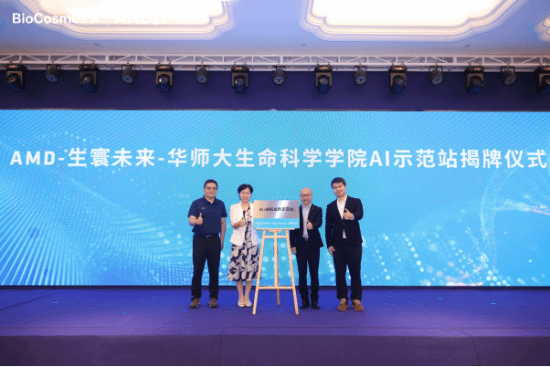
AI is no longer just a tool for researchers—it's becoming the engine of discovery itself. That's the vibe at a recent forum in Shanghai, where AMD and East China Normal University (ECNU) officially unveiled a joint AI innovation demonstration station. The event, themed "End Intelligence Enables Architecture · Foreseeing the Future," brought together minds from chemistry, materials science, life sciences, and data science to showcase how AI is reshaping scientific research.
The new station is a big step for AMD's "Spring Rain Program" in the AI for Science space. It combines edge AI computing power, specialized intelligent agents, and academic research. The collaboration also brings in Shenghuan Future (Protalgen) as a supporting partner, providing the Protalgen protein design platform and related solutions. Together, the three parties aim to create a practical model for bringing AI for Science into universities, linking computing platforms, scenario innovation, and scientific research.
The unveiling ceremony was attended by Ji Zhaohui, Vice President of Marketing for AMD Greater China; Lu Jiahua, Software Development Director at AMD Research; Zhang Meiling, Vice Dean of ECNU's School of Life Sciences; and Chen Shuaihua, Founder and CTO of Shenghuan Future. Their presence underscores the serious commitment behind this initiative.
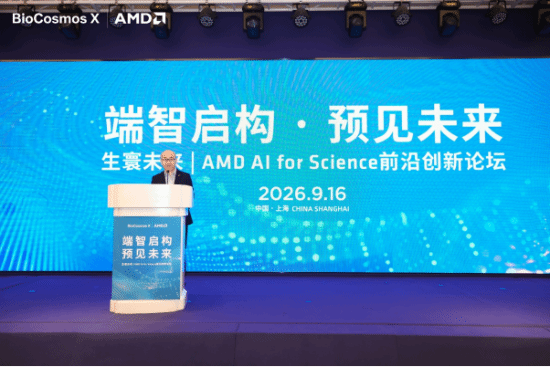
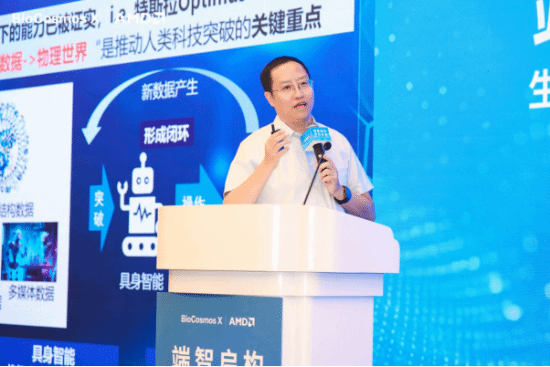
Four academic talks at the forum spanned chemistry, materials science, life sciences, and data science. The common thread? AI is no longer a mere assistant in the lab—it's actively driving new discoveries. AMD's intelligent agent host, for example, is powering the ProtAlgen AI protein intelligent manufacturing agent, showing how hardware and software can come together to accelerate breakthroughs.
AMD's Spring Rain Program launched last year and has already visited several prestigious universities, promoting AI talent development and open-source ecosystem building under the motto "co-educate, co-build, co-create." This new station with ECNU marks a shift from general AI education to deep, specialized applications in AI for Science.
Looking ahead, AMD, Shenghuan Future, and ECNU plan to use this demonstration station as a long-term hub for talent cultivation, research collaboration, and technology transfer. The goal is to spread these early successes to more universities and industries, creating a ripple effect that could transform how science gets done.
So, what do you think—are we ready for AI to become a full-fledged research partner? Let us know in the comments!
Comments (0)
Log in to join the discussion
Log InNo comments yet