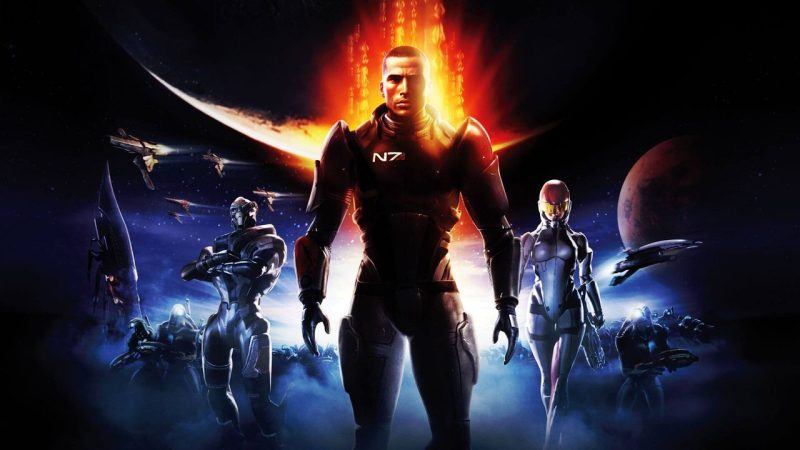
Ever wondered what it actually took to bring Mass Effect to life? According to one former BioWare developer, the answer involves a whole lot of sleepless nights and a schedule that sounds absolutely brutal.
Cinematic designer Armando Troisi recently opened up about his time working on the original Mass Effect, and his description of the studio's crunch culture is enough to make your eyes water. The team was operating on what he calls a "21 days on, one day off" schedule. Yeah, you read that right.
"That was really, really hard, but really worth it," Troisi said, reflecting on the experience. It's the kind of quote that sums up game development in a nutshell, isn't it? Painful, exhausting, and yet somehow still something people look back on with fondness.
So why did the team push themselves to that extreme? According to Troisi, it came down to sheer ambition. He says the RPG was developed with "a level of ambition that I think was just unheard of at the time." And honestly, if you were around when Mass Effect first dropped back in 2007, you probably know exactly what he means.
This was a game that wanted to do it all. A sprawling galaxy to explore, deep character relationships, meaningful player choices that carried across an entire trilogy, and cinematic storytelling that felt more like a big-budget film than anything consoles had really seen before. Trying to pull all of that off simultaneously? That's a recipe for long hours and a lot of stress.
Troisi's comments add another chapter to the ongoing conversation about crunch in the games industry. It's a topic that refuses to go away, and stories like this one show just how deeply embedded those practices were at some of the most beloved studios in the business. The games we love often come at a real human cost, and it's worth remembering that when we boot up a classic.
At the same time, Troisi's framing is complicated. He doesn't shy away from calling the schedule hard, but he also insists it was "really worth it." That tension between suffering and pride is something a lot of developers have spoken about over the years, and it raises plenty of questions about how the industry should handle big, ambitious projects going forward.
What's your take on this? Does knowing about the crunch behind Mass Effect change how you feel about the game, or does the final result justify the sacrifice? Will you be replaying the trilogy anytime soon? Let us know in the comments.
Comments (0)
Log in to join the discussion
Log InNo comments yet