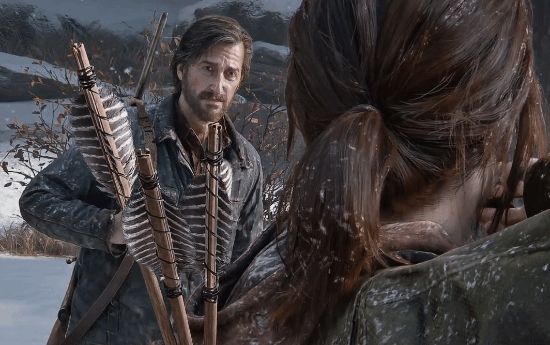
You know that feeling when a game looks so good you forget you're holding a controller? One player just had that moment with The Last of Us Part I — and it's all thanks to DLSS 5.
According to a recent share, a gamer managed to enable Nvidia's DLSS 5 neural rendering in The Last of Us Part I on an RTX 4070 through unofficial means. Their reaction was about as direct as it gets: it looks almost like live-action footage, feels like watching a TV show, and it's hard to stop.
If you've been out of the loop, DLSS 5 is a very different beast from the upscaling tech you're used to. Nvidia unveiled it at SIGGRAPH 2026, and instead of just being a super-resolution tool, it embeds AI-generated models directly into the graphics pipeline. It uses in-game color and motion vector data to fill in lighting, materials, and other details in real time. Developers get to pick from three AI models, control how individual objects in a scene are handled, and even exclude specific elements from AI rendering entirely.
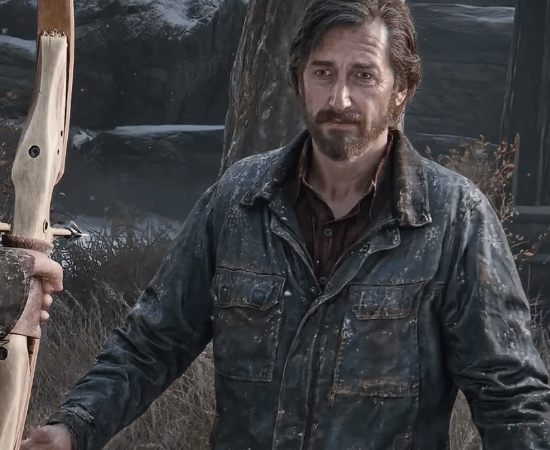
Here's the catch: the RTX 4070 isn't an officially supported card for this. Based on earlier technical testing, enthusiasts have been using tools like OptiScaler to get DLSS 5's FP8 inference running on RTX 40-series GPUs. When it works, the results are genuinely striking — skin textures, scars, and fine muscle detail on characters' faces get a massive boost, giving the whole image that near-live-action drama look.
But the performance hit is just as dramatic. In tests on the same RTX 4070, turning on DLSS 5 dropped Tekken 8 from a steady 60 FPS to around 45 FPS. Gothic 1 Remake fared even worse at 4K, plummeting to 25-35 FPS. For a story-driven immersion game like The Last of Us Part I, that kind of frame drop brings camera lag that could undercut the very cinematic smoothness that makes it feel like a show in the first place.

So there's the trade-off: jaw-dropping visuals on one side, and a choppy experience on the other. It's an exciting peek at where neural rendering is headed, even if your current GPU might start sweating.
Would you sacrifice frame rate for that live-action look, or is smooth gameplay non-negotiable for you? Let us know in the comments.
Comments (0)
Log in to join the discussion
Log InNo comments yet