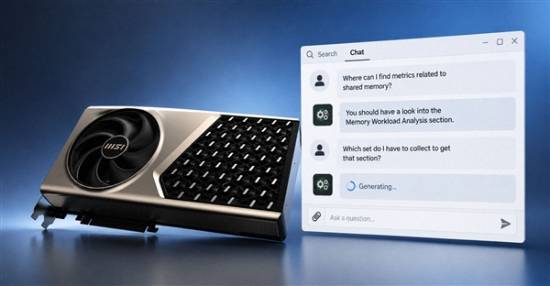
Ever stared at a GPU profile and had no idea why your workload is crawling? NVIDIA might soon let you just... ask an AI about it.
According to a patent filing reported by Fast Technology on September 25, NVIDIA is exploring a chat interface built on large language models that would let developers troubleshoot GPU performance problems using plain natural language. Instead of digging through profiler output yourself, you'd simply ask things like why a particular workload is slow, which part is dragging performance down, or what's different between two versions of the same program.
Here's how it supposedly works. Once you ask a question, the AI automatically pulls up relevant documentation, checks the GPU performance data that's already been collected, and then generates Python or other scripts to extract whatever information it needs to answer you. Finally, it hands back an analysis and conclusion. It's a workflow similar to MCP-style AI setups, where the language model doesn't lean on its own built-in knowledge but instead calls external tools to grab real-time data.
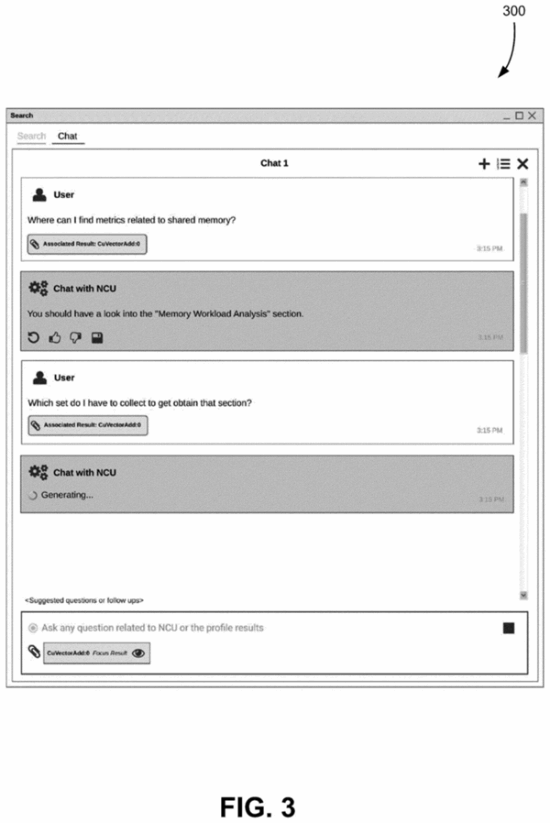
Importantly, the patent's scope isn't limited to game optimization. It also covers general-purpose GPU computing programs, compute kernels, and other workloads, so this isn't just a gaming trick.
And no, the system won't magically fix your code for you. It's designed to help developers locate bottlenecks faster, with NVIDIA positioning AI as a middle layer that lowers the barrier to performance analysis. That matters because modern GPU architectures are genuinely complicated, and not every developer, especially indie devs and small studios, has the experience or tooling to properly interpret GPU performance data.
NVIDIA has actually floated something similar before at the GeForce level. Project G-Assist in the NVIDIA App supports text or voice questions, can report GPU utilization, temperature, clocks, power draw, and frame rates, and can even recommend or adjust in-game visual settings. But G-Assist is aimed at regular players, and its abilities are limited to reading system status and tweaking settings.
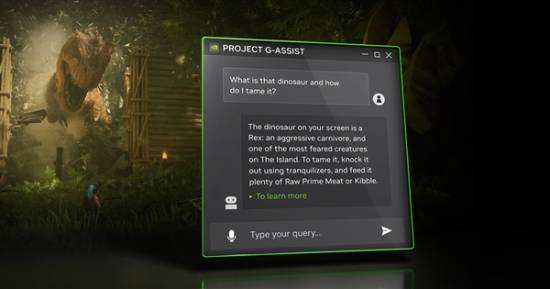
This new patent, by contrast, targets developers and goes much deeper into code and performance data. It's analyzing the bottlenecks of the GPU workload itself rather than just reporting hardware status. If it ever ships, it could be a genuinely useful assistant for anyone who's ever muttered "why is this so slow?" at their screen.
Would you trust an AI to tell you why your shader is tanking performance, or would you rather read the profiler yourself? Let us know in the comments.
Comments (0)
Log in to join the discussion
Log InNo comments yet