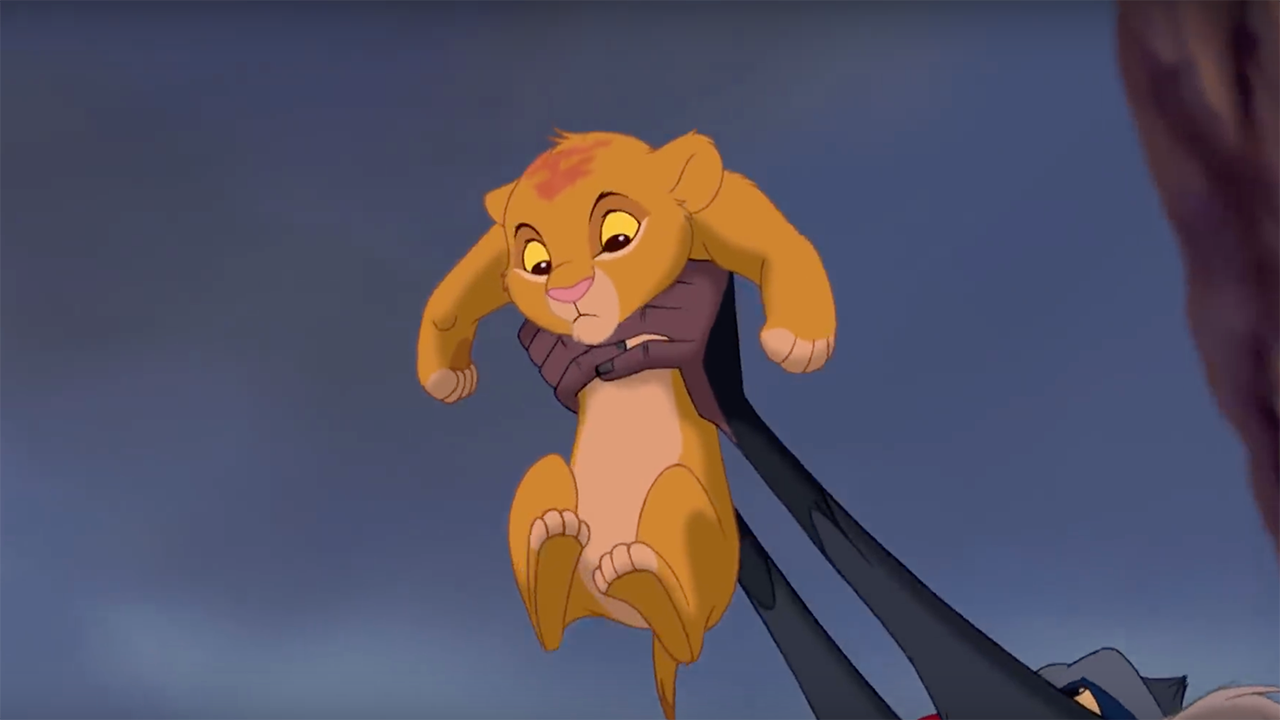
Remember that iconic opening to The Lion King? The one that starts with that powerful, wordless chant? Well, the man behind those lyrics just got a harsh lesson in copyright law and comedy.
Lebohang Morake, a Grammy-winning lyricist who contributed to the song, decided to sue a comedian over a joke translation of the lyrics. But the joke was on him – the court ruled in favor of the comedian, and now Morake has to shell out nearly $40,000 to cover the comedian's attorney fees. Ouch.
The whole mess started when the comedian, whose name hasn't been widely reported, posted a humorous take on the lyrics, turning the majestic 'Circle of Life' into something a bit more... mundane. Morake wasn't amused and filed a lawsuit, claiming copyright infringement. But the court saw it differently, deciding that the comedian's parody was fair use.
This case is a classic example of how parody can be protected under copyright law, even when it pokes fun at beloved classics. It's a reminder that not every joke is a legal offense – sometimes, it's just comedy. And if you're a celebrity or a creator, you might want to think twice before suing over a laugh.
For gamers and pop culture fans, this is a bit like when a game developer tries to shut down a fan-made parody – it rarely ends well, and it often backfires. Remember the whole 'Minecraft' parody saga? It's a similar vibe. The legal system tends to protect humor, especially when it's clearly transformative.
So, what's the takeaway here? If you're going to make a joke about a famous song, you're probably safe – as long as it's clearly a parody. And if you're a songwriter, maybe save your legal fees for something else. The court's decision is a win for comedians and content creators everywhere, reinforcing that laughter is still the best defense.
What do you think? Should parody be protected this way, or was the lyricist right to be upset? Let us know in the comments!
Comments (0)
Log in to join the discussion
Log InNo comments yet